
Cybersecurity
Cybersecurity in 2026: Navigating the Digital Age Safely with Essential Tips and Updates
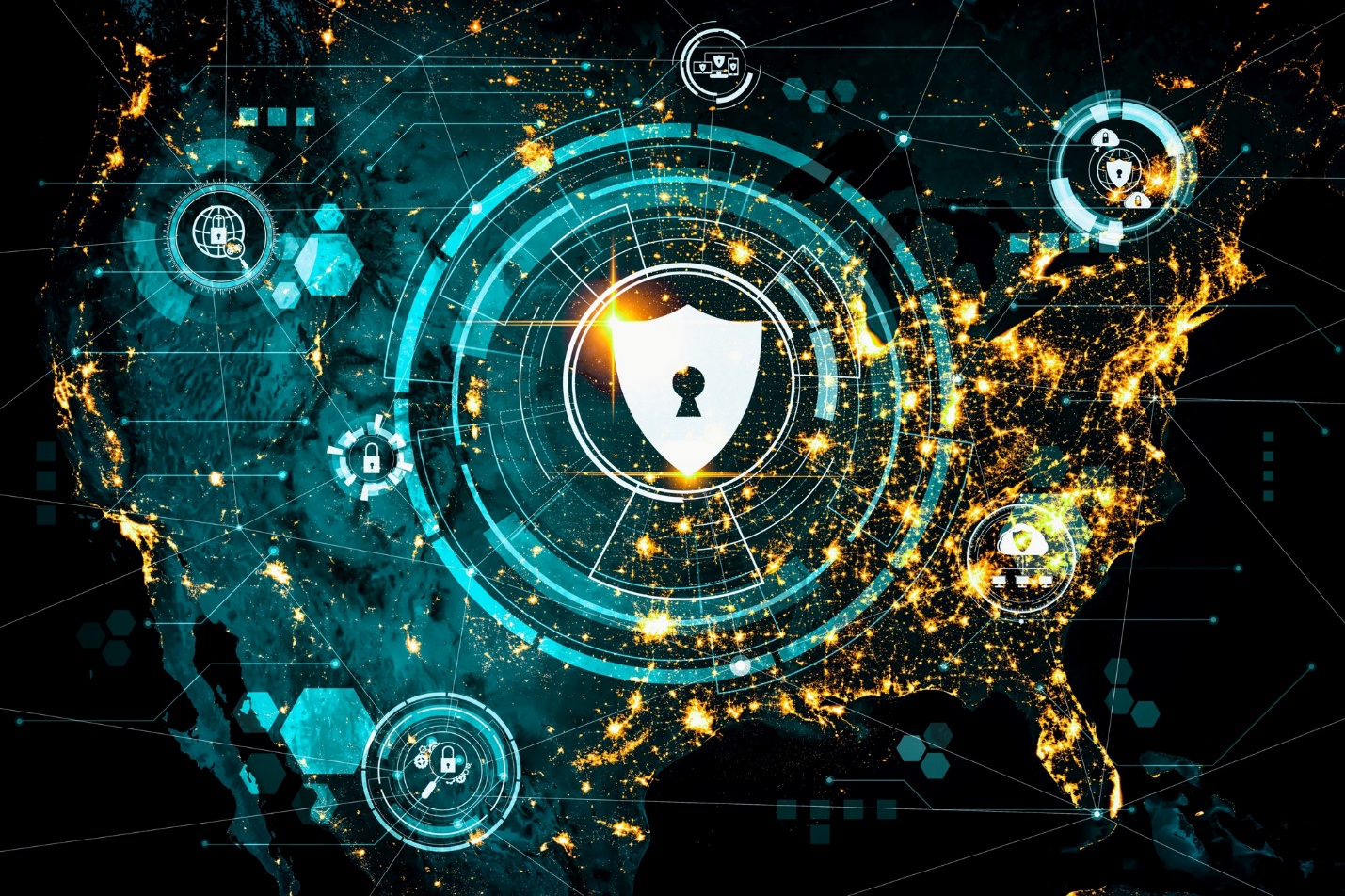
The internet has transformed our world in ways we could scarcely imagine just a few decades ago. It connects us instantly with friends and family across the globe, powers businesses to reach new markets, and provides endless resources for learning and entertainment. From online shopping that delivers goods to our doorsteps to telemedicine that saves lives, the digital domain brings tremendous benefits to everyday life. Yet, this interconnected wonder also has a flip side. As we rely more on technology, we expose ourselves to risks like data breaches and unauthorized access. This is where cybersecurity comes into play—it's the shield that helps protect our digital lives from those who seek to exploit vulnerabilities for harm or gain.
In 2026, with cyber threats evolving faster than ever, understanding cybersecurity basics is crucial for individuals and businesses alike. This blog explores key concepts, recent updates, practical tips, and solutions to build better awareness and defenses.
What Is Cybersecurity?
At its core, cybersecurity is the practice of safeguarding systems, networks, and data from digital attacks. It involves a mix of technologies, processes, and habits designed to prevent unauthorized access, damage, or theft. Think of it as a multi-layered defense: from firewalls that block intruders to encryption that scrambles sensitive information so only authorized users can read it.
The goal is to maintain confidentiality (keeping data private), integrity (ensuring data isn't altered), and availability (making sure systems are accessible when needed). In today's world, where everything from banking to healthcare runs online, strong cybersecurity is essential to avoid disruptions and losses.
Understanding Cyber Attacks: What Is a Cyber Attack?
A cyber attack is any deliberate attempt to breach a computer system, network, or device to steal, alter, or destroy data. These attacks come in various forms, each with its own tactics and targets. For instance, malware infects devices to spy or cause harm, while phishing tricks people into revealing passwords through fake emails.
Common types include:
Denial-of-Service (DoS) Attacks: These overwhelm a website or server with traffic, making it unavailable to users.
Ransomware: Malicious software that locks files until a ransom is paid, often targeting businesses.
Man-in-the-Middle (MitM) Attacks: Hackers intercept communications to eavesdrop or alter messages.
SQL Injection: Attackers exploit database vulnerabilities to access or manipulate data.
In 2025, cyber attacks surged, with ransomware incidents tripling in some quarters and data breaches affecting millions. Projections for 2026 indicate cybercrime could cost the world up to $15.63 trillion, highlighting the growing scale of these threats. Awareness of these risks is the first step in defense.
Cybersecurity Awareness: Why It Matters in 2026
Cybersecurity awareness means educating yourself and others about potential threats and how to avoid them. In 2026, with AI and quantum computing advancing, threats are becoming more sophisticated. For example, AI-driven attacks can mimic human behavior to bypass security, while deepfakes create convincing scams.
Building awareness isn't just for tech experts—it's for everyone. Simple habits, like recognizing suspicious links, can prevent major issues. Organizations are increasingly focusing on training employees, as human error causes many breaches. Raising awareness reduces risks and fosters a culture of vigilance.
Latest Cybersecurity Updates for 2026
The cybersecurity landscape is dynamic, with new trends emerging each year. In 2026, key updates revolve around AI integration and resilience against advanced threats. According to experts, AI will both empower defenses and enable more autonomous attacks, such as adaptive ransomware that targets operational disruptions rather than just encryption.
Quantum computing poses another challenge, potentially breaking current encryption methods, prompting a shift to quantum-ready security. Zero-trust models, where no user or device is automatically trusted, are gaining traction to combat insider threats and shadow AI—unauthorized AI tools that create vulnerabilities.
Globally, reports like the World Economic Forum's Global Cybersecurity Outlook 2026 warn of widening cyber inequity, where smaller entities struggle against sophisticated attacks. Staying updated means monitoring sources like Gartner, which predicts AI-native platforms will dominate security strategies.
Cybersecurity Tips for Everyday Protection
Protecting yourself doesn't require advanced tech—start with these simple cybersecurity tips tailored for 2026:
Use Strong, Unique Passwords: Avoid reusing passwords. Opt for at least 12 characters mixing letters, numbers, and symbols. Consider a password manager for secure storage.
Enable Multi-Factor Authentication (MFA): Add an extra verification step, like a code sent to your phone, to block unauthorized access even if passwords are compromised.
Keep Software Updated: Regular updates patch vulnerabilities that attackers exploit. Set devices to auto-update for hassle-free protection.
Be Wary of Phishing: Don't click links or download attachments from unknown sources. Verify emails by contacting the sender directly.
Backup Data Regularly: Use encrypted backups to recover from ransomware without paying. Store them offline or in the cloud.
Secure Your Network: Use a VPN on public Wi-Fi and enable firewalls. Change default router passwords to prevent easy breaches.
Educate on AI Risks: In 2026, watch for AI-generated deepfakes. Always verify urgent requests involving money or data.
These tips can significantly lower your risk profile without overwhelming effort.
Exploring Cybersecurity Solutions
For robust protection, cybersecurity solutions range from antivirus software to advanced threat detection systems. In 2026, AI-powered tools will automate responses to threats, reducing response times. Endpoint security protects individual devices, while network security monitors traffic for anomalies.
Businesses often turn to Managed Security Service Providers (MSSPs) for expert handling. An MSSP offers outsourced monitoring and management of security devices and systems, providing 24/7 vigilance without in-house expertise. Benefits include cost savings, access to cutting-edge tools, and compliance support—especially vital as regulations tighten. With threats like supply chain attacks rising, MSSPs help bridge capability gaps.
Becoming a Cybersecurity Analyst: Certifications and Paths
If you're interested in a career, becoming a cybersecurity analyst involves monitoring networks for breaches and investigating incidents. Entry-level roles often require foundational knowledge, with salaries averaging around $100,000 in many regions.
Key certifications for 2026 include:
Google Cybersecurity Certification: A beginner-friendly program covering basics like Python, Linux, and SIEM tools. It's hands-on and prepares you for roles like junior analyst.
Certified in Cybersecurity (CC): Offered by ISC2, it validates entry-level skills in risk management and ethics.
CompTIA Security+: Covers core concepts like threats and vulnerabilities, ideal for starting out.
Advanced options like CISSP focus on leadership. With demand high—over 3.5 million unfilled jobs globally—getting certified in cybersecurity can launch a rewarding path.
Conclusion: Strengthening Your Defenses with Professional Help
As we navigate 2026, the balance between digital benefits and risks hinges on proactive cybersecurity. By understanding basics, staying aware of updates, and applying simple tips, you can protect yourself effectively. For businesses facing complex threats, partnering with an MSSP provides scalable solutions that evolve with the landscape.
If you're seeking reliable MSSP services, consider Tylextech. With expertise in AI-driven defenses and comprehensive monitoring, Tylextech offers tailored cybersecurity solutions to safeguard your operations. Their team of certified analysts ensures compliance and rapid response, helping you focus on growth without the worry of cyber attacks. Reach out to Tylextech today for a consultation—your digital security is worth the investment.
• Current cyber attack trends and projections
• Practical cybersecurity tips for individuals and organizations
• Key 2026 cybersecurity updates (AI threats, quantum risks & more)
• The growing strategic role of Managed Security Service Providers (MSSPs)